
Understanding the Dynamics of Coaching

Coaching is a form of advice aimed at individuals or groups. A distinction can be made between individual coaching, group coaching and team coaching. In practice, individual coaching is the most common.

The aim of coaching is to accompany the client in a specific problem situation and at the same time to initiate and promote a reflection process in the client.

The Essence of Coaching by Greif’s Definition

Definition of coaching according to Greif:

“Coaching is an intensive and systematic promotion of result-oriented problem and self-reflection as well as advice for people or groups to improve the achievement of self-congruent goals or for conscious self-change and self-development. Counseling and psychotherapy for mental disorders is excluded” (Greif, 2008, p. 59).
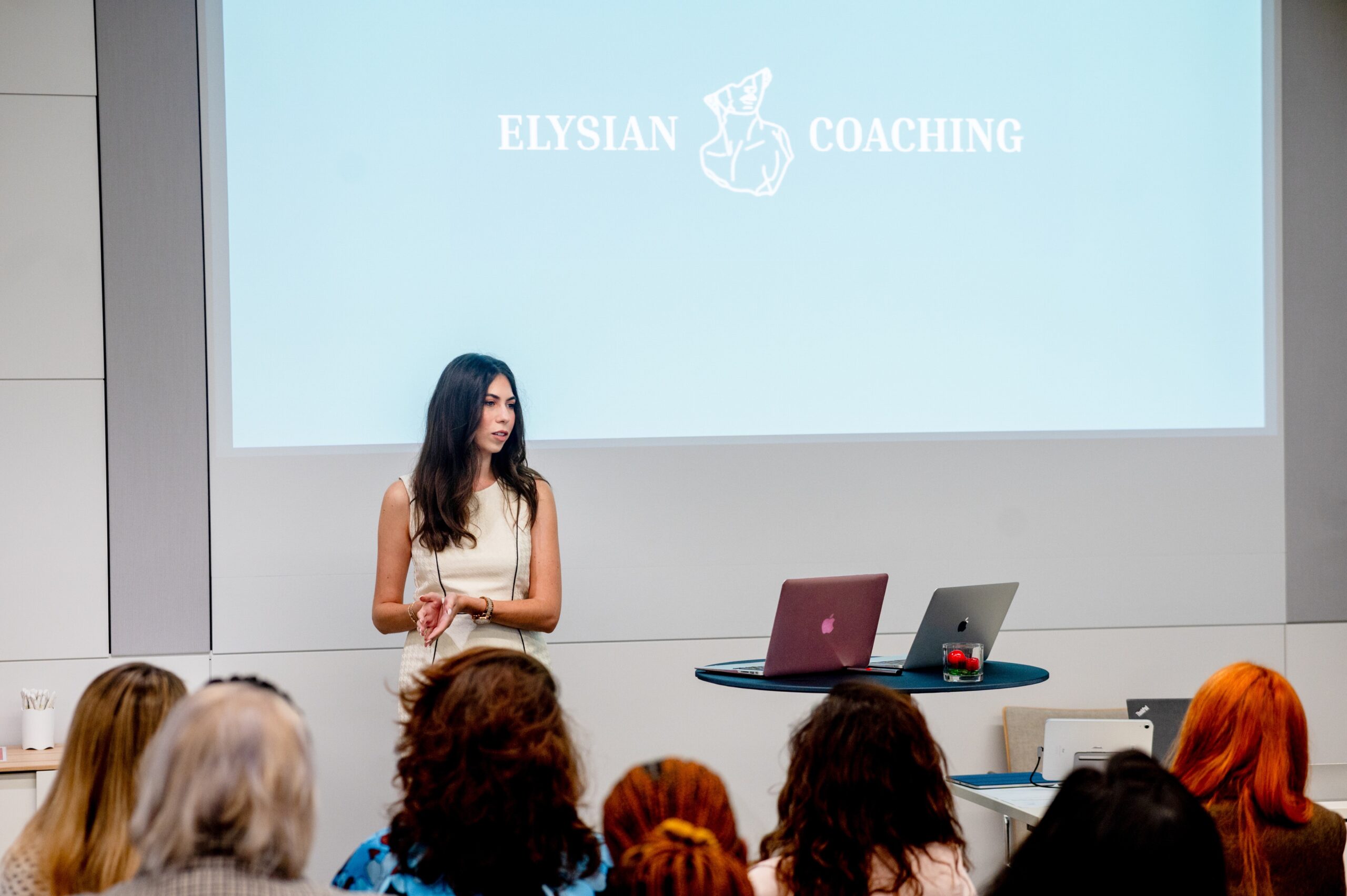

Individual coaching is a form of coaching in which a coach supports a client in a 1:1 situation. This is about the individual development of the client and the achievement of personal goals. In contrast to other forms of coaching such as group coaching or team coaching, individual coaching focuses on the individual.

Coaching of managers and junior managers. The content is about coaching managers on the topic of employee leadership. The questions here are how does the manager deal with conflicts between employees and with conflicts between himself and an employee or what can a differentiated approach and individualized leadership style look like with individual employees. Other topics often include motivation, delegation and dealing with poor performance.

This coaching format addresses an entire team, like for example a management team, a team of managers or a department or project team. The most common objective of team coaching is to promote communication, improve collaboration, build trust and, in an agile (project) context, increasingly self-organization. Dealing with conflicts in the team and improving performance are also often topics in team coaching.

Career coaching is a coaching format in which the focus is on the client’s career planning and development. The aim of career coaching is, on the one hand, to analyze and reflect on the client’s development potential with regard to their current professional career. On the other hand, it is about defining career goals and the next career steps as well as working out where the opportunities and risks or challenges lie in further development.

Conflicts and dealing with conflicts are a central topic in coaching. Managers come to coaching because they themselves have a conflict with one of their employees or because there are conflicts in the team. Projects in particular harbor the potential for conflict. Also internal conflicts, for example in decision-making situations, are often a topic in coaching.

Resilience coaching is about making the client aware of the internal and external resilience factors and, if possible, strengthening them. These can be, for example, personal skills and basic attitudes or social resources. At the organizational level, it is about promoting resilience within the company so that a resilient organization can be achieved. This can include, for example, working time flexibility, dealing constructively with errors and finding creative solutions to new challenges.

Another related topic is mindfulness. It can be a key to strengthening individual and organizational resilience

The topic of health is becoming increasingly important in today’s fast-moving and complex world. That’s why coaching on the topic of health and burnout is increasingly being requested. On the one hand, health coaching can be about receiving coaching support to organize everyday work and life in a health-promoting way. In this context, work-life balance is often mentioned as a goal achievement in coaching. This not only affects managers, but also many other employees in companies.

Identify the coaching program that suits you the most.

Individual Coaching
  • Professional development

  • Personal growth

  • Performance improvement

  • Conflict resolution

  • Life transitions

Leadership Coaching
  • Transitioning into a leadership role

  • Developing leadership skills

  • Handling challenges and obstacles

  • Enhancing team performance

  • Achieving organizational goals

Team Coaching
  • Non-adaptive team

  • Conflict resolution

  • Leadership development

  • Performance improvement

  • Change in organizational structure

Career Coaching
  • Career transition

  • Career advancement

  • Skill development

  • Job search and networking

  • Work-life balance

Conflict Coaching
  • Interpersonal conflicts

  • Team conflicts

  • Conflicts in family or personal relationships

  • Workplace conflicts

  • Difficult conversations

Resilience and mindfulness coaching
  • High-stress environments

  • Life transitions

  • Mental health challenges

  • Performance optimization

  • Work-Life-Balance

Work-life balance Coaching
  • Excessive workload

  • Imbalance between work and family

  • Burnout and exhaustion

  • Lack of time for self-care

  • Need for prioritization and organization